
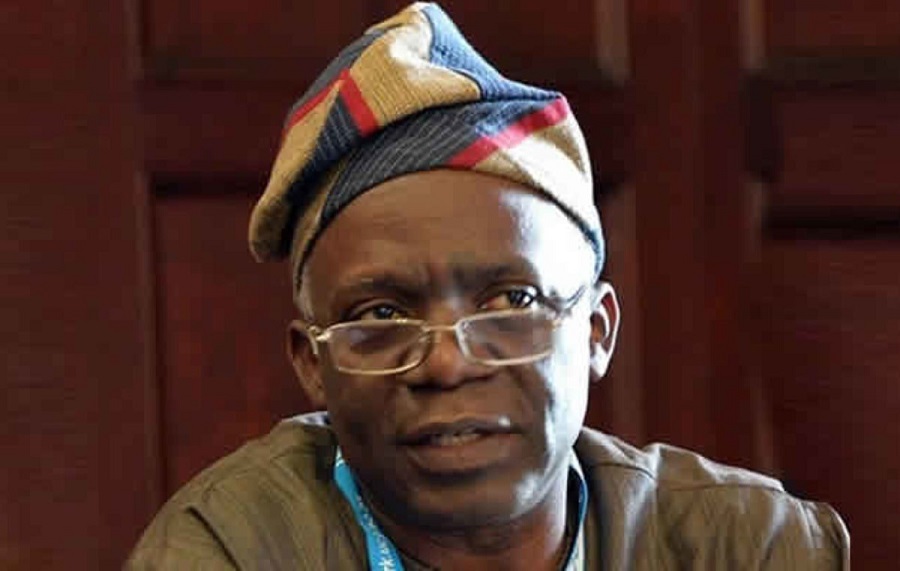

Renowned human rights lawyer, Mr Femi Falana (SAN), has warned that the ongoing amendment of Nigeria’s Electoral Act will amount to little more than legislative grandstanding if enforcement mechanisms remain weak or non-existent.
Speaking during an interview on ARISE Television at the weekend, Falana took a hard look at Nigeria’s electoral architecture and concluded that the country’s democratic malaise does not stem from a shortage of laws, but from the political class’s persistent refusal to enforce them.
In his assessment, ideology and quality representation have been sidelined, replaced by a transactional politics driven largely by personal gain and opportunistic defections.
“What matters today is not ideology or the mandate given by voters, but what politicians stand to gain by crossing from one party to another,” Falana said. “People abandon the parties that elected them, pitch their tents elsewhere and suffer no consequences. That, in practical terms, is a direct assault on our democracy.”
The senior advocate described Nigeria’s political environment as one characterised by “reckless impunity”, arguing that repeated amendments to electoral laws are pointless if offenders continue to act with abandon.
He recalled that Nigeria’s statutes already prescribe stiff penalties for vote-buying, thuggery and other electoral malpractices, yet enforcement has been consistently undermined by political unwillingness.
“We have always had very severe penalties for electoral offences. The problem is that successive governments, especially ruling parties, have refused to activate the machinery needed to arrest and prosecute offenders,” he said.
Falana further noted that as far back as 2008, the Justice Muhammadu Uwais-led Electoral Reform Committee recommended the establishment of an independent Electoral Offences Commission. According to him, that critical recommendation has been deliberately ignored by successive administrations, including those that rode to power on the promise of electoral reform.
“No regime, including those that campaigned vigorously on electoral reforms, has deemed it necessary to establish such a commission. So what exactly is the urgency now?” he queried.
He also expressed scepticism over proposals to increase campaign finance ceilings, noting that existing limits are routinely flouted without consequence.
“Increasing campaign funds means nothing when nobody has ever complied with the current provisions,” Falana argued. “Yet, the most pressing political issue today — the gale of defections — is hardly addressed in the proposed amendments.”