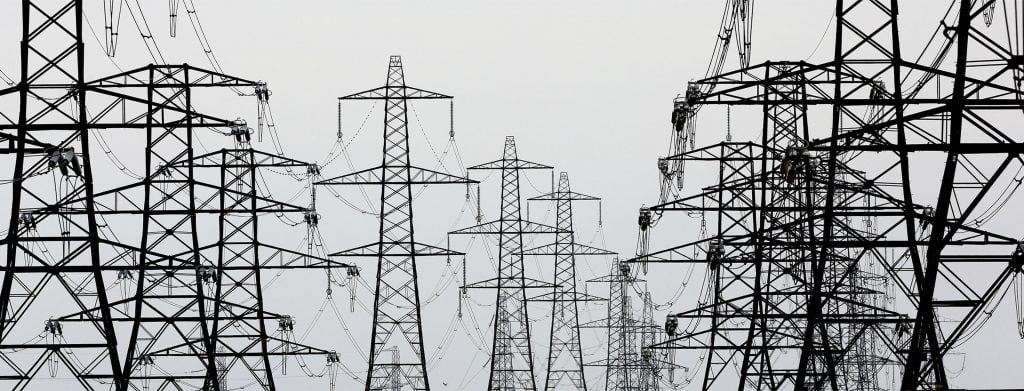

Nigerians have again vented their frustration at the Federal Government following the collapse of the national electricity grid, an incident many described as a national embarrassment and a stark reminder of long-standing structural weaknesses in the power sector.
The grid failure, which occurred on Friday afternoon, plunged large parts of the country into darkness in what has become the first nationwide collapse recorded in 2026. Official figures released by the Nigerian Independent System Operator (NISO) indicated that power generation dropped to zero megawatts at about 1 p.m., with electricity supply to all 11 distribution companies cut off simultaneously.
The affected distribution companies included those covering Benin, Eko, Enugu, Ikeja, Jos, Kaduna, Kano, Port Harcourt, Ibadan, Abuja and Yola, all of which reportedly received zero load allocation at the height of the outage.
For many Nigerians, the incident reinforced concerns that repeated grid failures have become routine rather than exceptional. Paul Igbashangev described the development as disheartening, noting that frequent collapses continue to undermine economic activity and household stability.
“At this stage of our national development, we should not still be grappling with grid collapse as a recurring headline,” he said. “It affects businesses, families and investor confidence. There must be a lasting solution.”
Others were more scathing in their assessment of the current administration’s stewardship of the power sector. Iwuchukwu Ike lamented what he called a cycle of unending crises, arguing that public expectations had not been met.
“The grid has collapsed again, and it feels like this happens almost predictably,” he said, drawing comparisons with other countries that have achieved more stable power supply through deliberate planning and investment.
Ngozi Ikechukwu echoed similar sentiments, linking the blackout to the broader economic hardship confronting citizens. She questioned why power instability persists at the beginning of a new year, despite repeated promises of reform and improved service delivery.
From a policy standpoint, some respondents offered prescriptions rather than protest. Mustapha Audu urged the Federal Government to accelerate alternative energy solutions, particularly the use of compressed natural gas (CNG), to reduce pressure on the national grid.
“A country of over 200 million people should not experience a total blackout without a natural disaster,” he said. “This calls for innovative thinking and diversification of power sources.”
However, Adamu Yusuf suggested that deeper political and commercial interests may be undermining the system, arguing that grid failures have become normalised because accountability remains weak.
“The national grid is supposed to be resilient, not collapsing at will,” he said. “Some people appear to be benefiting from this dysfunction, and no one is asking hard questions.”
The economic implications of the crisis were also highlighted. Adah Joseph warned that frequent power outages continue to erode national productivity and Gross Domestic Product, with small businesses, food vendors and health facilities bearing the brunt.
“This is not just an inconvenience; it is an economic risk,” he said. “Power must be treated as a top-tier national priority if we are serious about growth.”
Calling for structural reform, Augustine Oyiwona advocated massive investment in modern transmission infrastructure, noting that many existing lines and substations are decades old. He also pressed for real-time grid monitoring and a more professional, utility-driven management of the Transmission Company of Nigeria.