
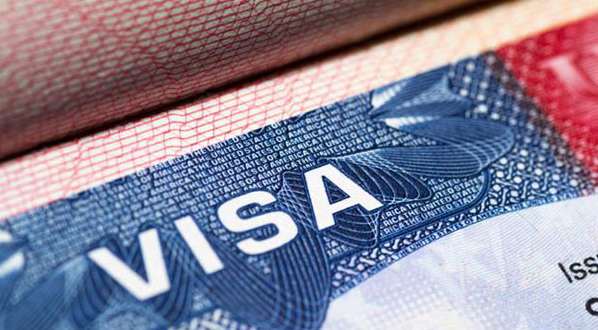

The United States has tightened entry requirements for Nigerians and citizens of 37 other countries, unveiling a new visa bond regime that could compel applicants for B1/B2 business and tourism visas to deposit as much as $15,000 as a financial guarantee.
Details published on the US Department of State’s official platform indicate that the bond requirement, which takes effect for Nigeria on January 21, 2026, is part of a broader risk-based migration control framework. The policy underscores Washington’s renewed resolve to curb visa overstays and strengthen border compliance, particularly among countries it has classified as high-risk.
Under the directive, eligible applicants may be asked during their visa interview to post a bond of $5,000, $10,000 or $15,000. The amount, US authorities said, will be determined by consular officers based on individual risk assessments. Crucially, payment of the bond does not guarantee visa approval, while fees paid without official instruction are non-refundable.
Africa accounts for a significant share of the affected countries, with 24 nations on the list. Besides Nigeria, others include Algeria, Angola, Benin, Côte d’Ivoire, Senegal, Uganda, Tanzania, Zambia and Zimbabwe, alongside select countries from Asia, the Caribbean and the Pacific.
Applicants required to post the bond must also complete the Department of Homeland Security’s Form I-352 and make payment through the US Treasury’s Pay.gov platform. The rule applies irrespective of where the visa application is submitted.
In a further layer of control, visa holders who post bonds will be restricted to entering the US through designated airports, including John F. Kennedy International Airport in New York, Boston Logan International Airport and Washington Dulles International Airport in Virginia.
Refunds, according to the State Department, will only be processed if the traveller departs the US on or before the expiration of the authorised stay, does not travel before the visa expires, or is denied entry at a US port of entry.
The development comes on the heels of partial travel restrictions imposed on Nigeria and 14 other largely African countries in December. In Nigeria’s case, the US cited security concerns linked to the activities of extremist groups in parts of the country, which it said complicate screening and vetting processes.
Washington also referenced visa overstay statistics, putting Nigeria’s rate at 5.56 per cent for B1/B2 visas and 11.90 per cent for student and exchange categories. These factors, US officials said, informed Nigeria’s inclusion under both the partial suspension and the new bond requirement.