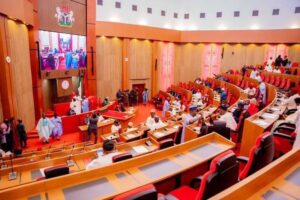

The Foundation for Environmental Rights, Advocacy and Development (FENRAD) has called on the Abia State House of Assembly to conduct comprehensive public hearings before passing the Abia State Criminal Law Bill 2026 (H.A.B 1) and the Abia State Administration of Criminal Justice Bill 2026 (H.A.B 2) into law.
In a press release issued on Thursday, the Executive Director of FENRAD, Nelson Nnanna Nwafor, said the proposed bills, which have already passed the second reading in the House, carry profound implications for the administration of criminal justice, protection of fundamental human rights, and access to justice across the state.
According to Nwafor, “It is imperative that these bills are subjected to detailed public scrutiny and discussions through town hall meetings to ensure all stakeholders, including citizens, legal practitioners, and civil society organisations, contribute meaningfully to the legislative process.”
He emphasised that any reform of criminal law must comply with the 1999 Constitution of the Federal Republic of Nigeria (as amended). He cited Section 36, which guarantees the right to fair hearing; Sections 34 and 35, which protect human dignity and personal liberty; and Section 17(2)(e), which mandates equality before the law, as key constitutional provisions that should guide the bills’ enactment.
FENRAD also highlighted the need for speedy dispensation of justice, protection of the rights of suspects, defendants, and victims, reduction of undue delays and abuse of police powers, and promotion of transparency and accountability within the justice system.
“The legislative process is not merely procedural; it is a safeguard against hasty lawmaking that could infringe on citizens’ rights,” Nwafor added. “Public participation ensures that laws reflect the aspirations and realities of the people they are meant to serve.”
The organisation urged lawmakers to prioritise consultations with legal experts, human rights defenders, and the general public before giving the bills final approval, warning that neglecting this step could undermine justice and citizens’ confidence in the legal system.