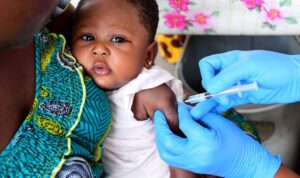
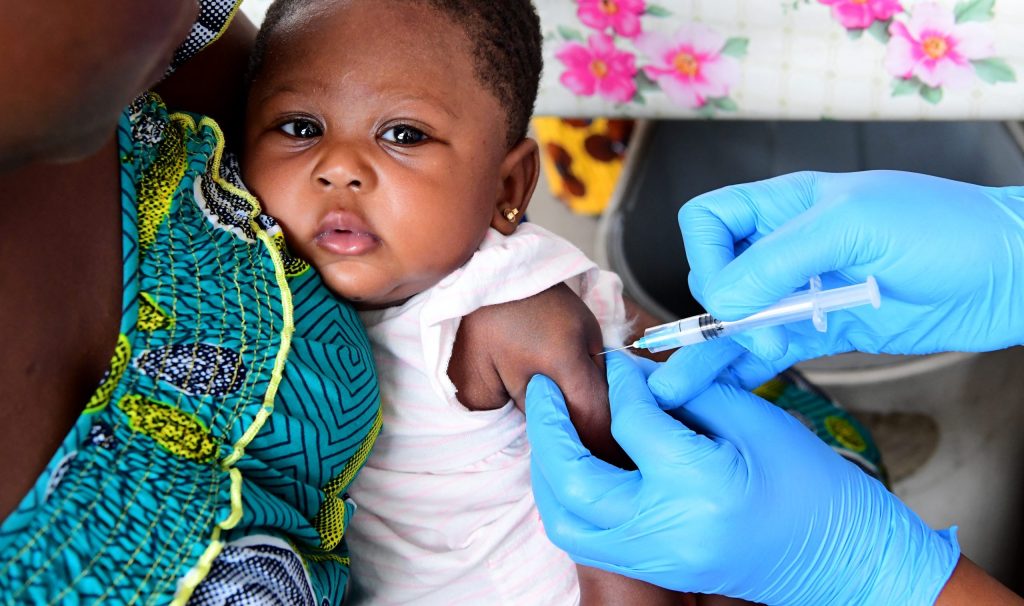

A quiet anxiety is spreading across homes and clinics as some Nigerian parents voice concerns over what they describe as developmental regression in their children following routine immunisation, reopening a sensitive national conversation at the crossroads of parental experience, public health trust and scientific evidence.
In Obafemi-Owode Local Government Area of Ogun State, a five-year-old boy’s world has narrowed to gestures and cries. His mother, who asked not to be named, insists her son’s speech and social engagement changed after a routine measles booster. Home videos, she said, tell a painful story of a child who once spoke simple words and sang along, but now struggles to communicate.
Her account mirrors a growing chorus on social media where parents link delayed speech or autism diagnoses to childhood vaccines. A Lagos-based content creator and mother has publicly shared similar fears, prompting dozens of responses from parents who say they noticed changes in their children around the time of immunisation. The claims, while emotive and personal, have fuelled doubt among families already grappling with limited access to specialist care.
The fears intensified earlier this month after a Lagos father alleged that his nine-month-old twins died hours after receiving routine vaccines at a primary healthcare centre in Ojo. State health authorities confirmed the children were vaccinated but said investigations, including post-mortem and toxicology tests, are ongoing, stressing that no evidence has yet linked the deaths to the vaccines administered.
Health experts, however, remain unequivocal. A consultant paediatrician at the Federal Medical Centre, Abeokuta, Dr Adekunle Saheed Adediran, dismissed claims that vaccines cause autism or delayed speech, describing them as unproven and dangerous to public health.
“In over three decades of clinical practice, there has been no credible evidence linking routine childhood vaccines to autism or speech delay,” he said, noting that immunisation has saved millions of lives by preventing deadly and disabling diseases.
He cited global data showing that vaccination programmes have dramatically reduced childhood mortality, particularly measles-related deaths, and warned that declining confidence could reverse hard-won gains. According to international health estimates, immunisation has saved more than 150 million lives worldwide over the past half-century.
Medical professionals also point to multiple factors that can affect early childhood development, including genetics, hearing impairment, nutrition, limited stimulation and excessive screen exposure. They advise parents to seek early assessment when milestones are missed, rather than relying on unverified remedies circulating online.
Behind the debate lies the daily reality of families raising children with special needs. Mothers describe the emotional toll of communication barriers, frequent meltdowns and the high cost of therapy. Many are calling on government to expand affordable early intervention services, strengthen inclusive education and intensify public education to counter misinformation.
Public health advocates argue that rebuilding trust requires transparency. They urge health authorities to integrate vaccine education into antenatal and postnatal care, creating space for questions and concerns to be addressed openly, while challenging false narratives with facts.