
Nigerians are bracing for fresh economic headwinds as cement producers push prices sharply higher, a development that threatens to further strain household finances, derail property development and compound the country’s cost-of-living crisis.
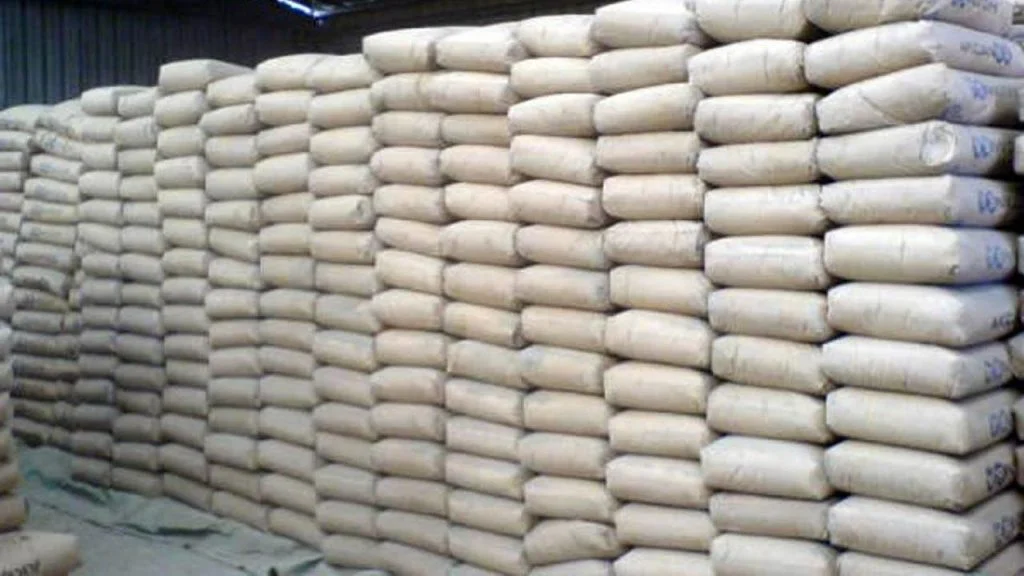
Market checks across major cities show that a 50-kilogramme bag of cement now sells for as much as N10,500 in January 2026, up from about N9,800 in December. The increase, estimated at roughly N1,000 per bag, has taken effect in Abuja, Nasarawa, Niger and several other states, with variations depending on location.
The latest adjustment has raised eyebrows, coming against the backdrop of Nigeria’s vast cement raw materials spread across Obajana in Kogi State, Okpella in Edo State and other mineral-rich corridors. It also flies in the face of earlier assurances by key industry players that prices would be moderated and kept below N7,000 per bag.
Industry watchers warn that the knock-on effects are already being felt in the housing market. Rents, particularly in urban centres such as Abuja and Lagos, have surged dramatically, with self-contained apartments reportedly commanding up to N800,000 per annum, more than double previous levels. For many tenants, the increase has pushed decent accommodation further out of reach.
The development comes amid broader macroeconomic pressures. Nigeria’s inflation rate rose to 15.15 per cent in December 2025 from 14.45 per cent the previous month, tightening the squeeze on households and businesses alike. Critics argue that government response to the escalating cost of living, especially rising rents, has been largely muted.
Adding his voice to growing concern, former president of the Real Estate Developers Association of Nigeria (REDAN), Alhaji Aliyu Oroji Wamakko, described the latest cement price hike as unsettling and potentially damaging to the real estate ecosystem.
He warned that rising construction costs would inevitably be passed on to consumers, pushing rents higher and slowing property development. According to him, businesses across the construction value chain could be forced to scale down or shut their doors, triggering job losses at a time the economy can ill afford them.
Wamakko recalled that only last year, major cement manufacturers, including Dangote and BUA, were summoned by the Presidency when prices climbed to around N10,000 per bag. He said the firms had then pledged to bring prices down to about N7,000, making the current surge difficult to justify.
“What worries us most is the uncertainty,” he said. “We do not know what has changed, and the government has remained silent. The Price Control Board exists, but its role is not being felt. At this point, it is hard to predict how far prices might rise.”
He attributed the pressure on cement prices to a mix of factors, including heightened demand driven by extensive road construction projects, currency volatility and Nigeria’s dependence on imported chemicals and equipment used in cement production.
Calling for a strategic rethink, the former REDAN president urged authorities and industry stakeholders to undertake a comprehensive review of the cement production and pricing framework, with a view to identifying structural bottlenecks and implementing sustainable solutions.