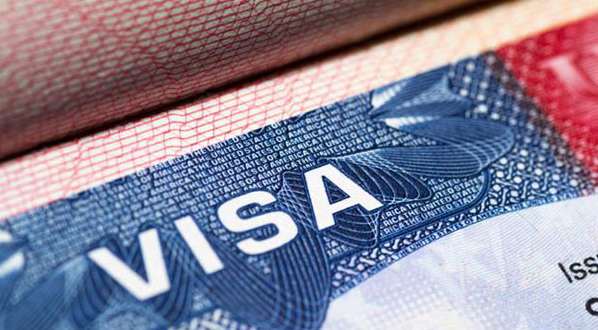

The United States Embassy in Nigeria has announced a partial suspension of visa issuance to Nigerian nationals, effective January 1, 2026, in a move that underscores Washington’s tightening immigration posture under President Donald Trump.
The embassy disclosed the development late Monday via its official X (formerly Twitter) handle, citing a new presidential proclamation aimed at strengthening US national security.
Nigeria is among 19 countries affected by the directive, which restricts access to several visa categories. Others on the list include Angola, Benin, Burundi, Côte d’Ivoire, Cuba, Senegal, Tanzania, Togo, Venezuela and Zimbabwe, among others.
According to the embassy, the suspension will apply to non-immigrant B-1/B-2 visitor visas, as well as F, M and J visas covering students and exchange visitors. In addition, the directive halts the processing of all immigrant visas, subject to limited exemptions.
The policy takes effect at 12:01 a.m. Eastern Standard Time on January 1, 2026, in line with Presidential Proclamation 10998 titled “Restricting and Limiting the Entry of Foreign Nationals to Protect the Security of the United States.”
However, the US government outlined specific categories that will not be affected by the suspension. These include immigrant visas for ethnic or religious minorities facing persecution in Iran, dual nationals applying with passports from countries not under the ban, and Special Immigrant Visas for certain US government employees.
Others exempted are lawful permanent residents of the United States and participants in selected major international sporting events.
While the embassy did not immediately clarify the implications for pending applications, the announcement has triggered concern among prospective travellers, students and families planning migration or short-term visits to the United States.
The development signals a return to restrictive immigration measures reminiscent of earlier Trump-era policies, raising questions about their broader diplomatic and socio-economic impact, particularly for countries like Nigeria with strong educational, business and family ties to the US.