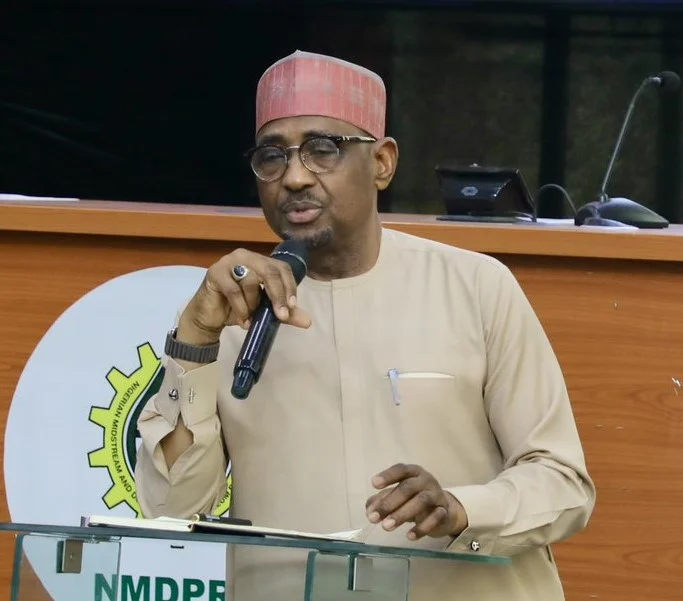

Nigeria’s already fraught downstream petroleum space was further unsettled yesterday as the Independent Corrupt Practices and Other Related Offences Commission (ICPC) confirmed it would investigate a petition filed by the President of the Dangote Group, Alhaji Aliko Dangote, against the Chief Executive of the Nigerian Midstream and Downstream Petroleum Regulatory Authority (NMDPRA), Engr. Farouk Ahmed.
The petition, dated December 16, alleges corruption, abuse of office and unexplained wealth against the regulator, with Dangote urging the anti-graft agency to investigate, prosecute and, if necessary, arrest Ahmed. Central to the claims is the allegation that the NMDPRA boss spent more than $7 million on the education of his four children in Switzerland, purportedly paid upfront for six years, without any lawful income to justify such expenditure.
Dangote, through his lawyer, Ogwu Onoja (SAN), argued that the alleged spending constituted a breach of the Code of Conduct for Public Officers and amounted to corrupt enrichment and diversion of public funds. He maintained that the allegations fell squarely within the ICPC’s statutory mandate and, if proven, could attract a jail term of up to five years.
Confirming receipt of the petition, ICPC spokesman, Mr John Odey, said the commission would subject the allegations to due investigation. He stressed that the process would follow established legal procedures, underscoring the commission’s commitment to fairness and the rule of law.
However, the petition has triggered a sharp backlash from sections of the legal community, civil society groups, students and industry stakeholders, many of whom have rallied behind the NMDPRA leadership. A coalition of about 40 lawyers under the banner of Lawyers in Defence of Democracy and Anti-Corruption described the allegations as reckless and unfounded, warning against what they termed a “media trial” of a public officer who has not been formally investigated or charged.
Addressing journalists in Abuja, the group’s National Coordinator, Mr Emeka Okafor, said the claims were aimed at discrediting a regulator whose policies, he argued, were designed to curb monopolistic tendencies and open up the sector to broader investor participation. He cautioned that public mudslinging could undermine investor confidence at a time when the Federal Government is seeking economic revival under President Bola Tinubu’s Renewed Hope Agenda.
The National Association of Nigerian Students (NANS) also faulted what it described as an attempt to intimidate a statutory regulator. While acknowledging its past support for the Dangote Refinery during operational challenges, the students’ body said it would not endorse character assassination or reputational attacks against public officials. It urged all parties to resolve disputes through lawful and institutional channels.
Similar sentiments were echoed by a coalition of over 50 civil society organisations, which dismissed the allegations as politically and commercially motivated. According to the groups, internal reviews found no evidence to substantiate the corruption claims, which they said were linked to the NMDPRA’s tough stance against anti-competitive practices in the downstream sector.
Industry players have also weighed in. The Petroleum Products Retail Outlets Owners Association of Nigeria (PETROAN) passed a vote of confidence in Ahmed, warning that sustained public attacks on regulators could destabilise the sector and scare off investors. The association called on President Tinubu to intervene and douse tensions in what it described as a deepening cold war in the downstream market.
At a recent briefing in Lagos, Dangote insisted that his concerns were rooted in transparency and accountability, calling on Ahmed to appear before the Code of Conduct Tribunal to explain the source of funds allegedly used for his children’s education. The NMDPRA, however, has previously dismissed similar accusations as orchestrated smear campaigns, insisting they were inconsistent with facts on record.