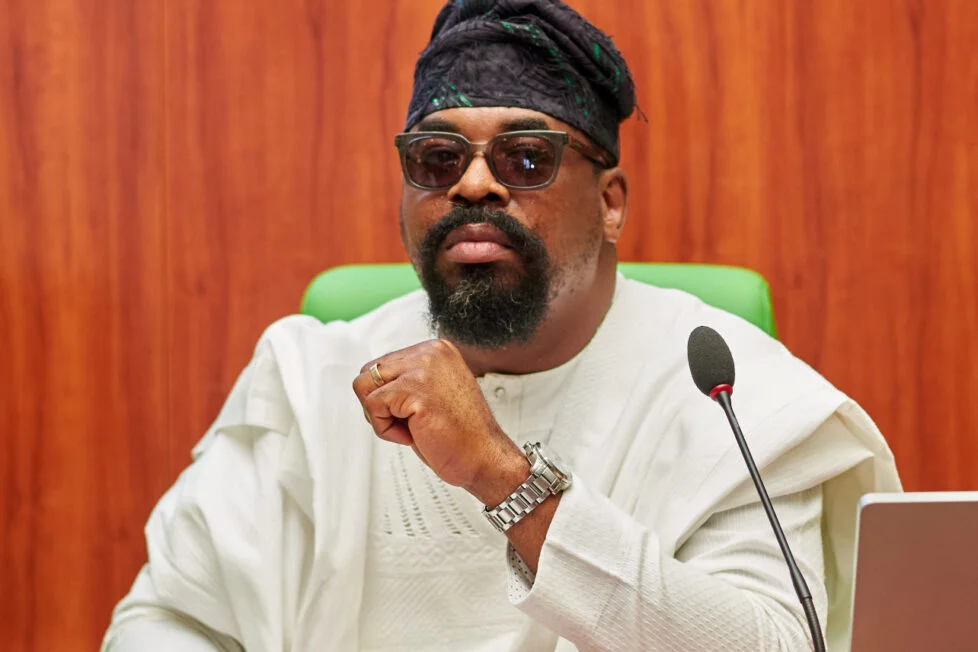

The Chairman of the House Committee on Federal Polytechnics and Higher Education, Hon. Kayode Laguda, has called for the abolition of the persistent Higher National Diploma (HND) and Bachelor of Science (BSc) dichotomy, describing it as an enduring injustice within Nigeria’s academic system.
Speaking on Saturday as the keynote speaker at the maiden Bi-annual Lecture Series and Awards organised by the Federal Polytechnics Oko Alumni Association, Abuja branch, Laguda emphasised the need for a renewed commitment to harmonising technical and university education. The event was themed, “HND/BSc Dichotomy: Matters Arising.”
The lawmaker highlighted that he had sponsored the Higher National Diploma Discrimination (Prohibition) Bill, 2024, aimed at ensuring holders of HND and BSc qualifications are treated equally in employment, promotion, and further education. “In response to this long-standing injustice, I took the bold step of sponsoring this bill, which has already passed crucial stages in the National Assembly,” Laguda said.
He stressed that the legislation is not merely symbolic but a statement of national intent, designed to prohibit discrimination in both public and private sectors, with penalties prescribed for violators.
Laguda further called on stakeholders to collaborate to ensure the Bill’s successful passage, noting that polytechnics are critical to fostering national creativity, enterprise, and industrial growth. He lamented the stagnation and relegation of HND holders and urged a rebranding of polytechnic education as a hub for innovation and entrepreneurship.
“A nation that undermines its technical experts cannot hope to industrialise. Countries like Germany, Japan, and China have demonstrated that prioritising technical education is key to economic development,” he said.
To further strengthen technical education, Laguda recommended periodic curriculum reviews to align HND programmes with industry needs and proposed the establishment of a National Polytechnic Commission to drive quality and innovation.
He concluded by urging Nigerians to abandon the outdated notion that polytechnics are a fallback for those who cannot enter universities, describing it as a mindset firmly rooted in the past.
![[PHOTOS] Engr. Nurudeen Adeyemi Balogun Visits APC National Secretary](https://newsbulletin.com.ng/wp-content/uploads/2026/01/1769627828939-300x300.jpg)