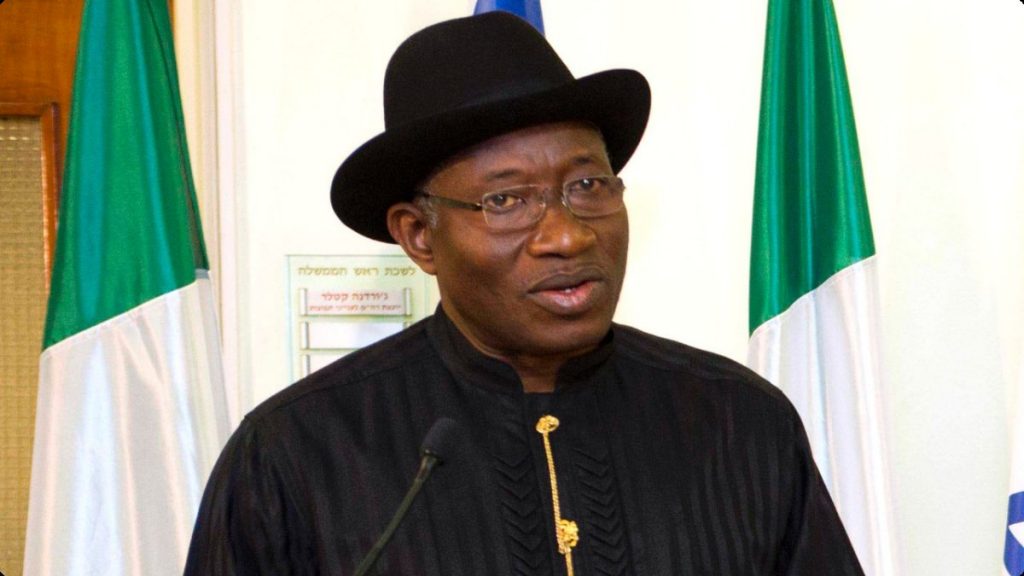

Former President Goodluck Jonathan returned to Nigeria on Thursday after a tense 48-hour lockdown in Guinea-Bissau, as African leaders mounted a coordinated diplomatic offensive to stem yet another military takeover in the sub-region.
Jonathan, who led a joint observer mission of the African Union, ECOWAS and the West African Elders Forum to the country’s presidential election, was trapped when soldiers abruptly shut all land, air and sea borders shortly after declaring a coup. His evacuation followed sustained pressure from Abuja and regional bodies demanding his safety.
The Federal Government, in a strongly worded statement, condemned the military action as an assault on constitutional order and a destabilising blow to West Africa’s fragile democratic progress. The Ministry of Foreign Affairs stressed that Nigeria “views the development with profound dismay,” insisting that Guinea-Bissau must immediately restore civilian rule.
The crisis deepened as the junta announced Army General Horta N’Tam—until now head of the presidential guard—as transitional leader for one year. His swearing-in marks a contentious turning point in a nation already burdened by repeated political upheavals.
Jonathan and other mission leaders, in a joint statement, lamented that the voting process had been peaceful and orderly before the sudden military intervention. They noted that both leading candidates had privately pledged to respect the outcome—making the disruption all the more jarring.
While the official results were due for release on Thursday, incumbent President Umaro Sissoco Embaló and opposition candidate Fernando Dias had already declared victory, a dual claim that heightened tension ahead of the coup.
Civil society groups in Bissau have since accused the ousted president of colluding with military allies to stage a “self-coup” to prevent the announcement of unfavourable results—an allegation that underscores the deepening mistrust in the political landscape.
Against this backdrop, President Bola Tinubu joined other West African leaders in an extraordinary virtual summit aimed at forging a rapid and unified response. The high-level meeting reflected ECOWAS’ renewed determination to push back against a surge of coups that has reshaped regional power dynamics in recent years.
Tinubu, who previously chaired the ECOWAS Authority for two consecutive terms, participated from Abuja as leaders weighed sanctions and diplomatic pressure points to bring Guinea-Bissau back from the brink.
Regional observers warn that the latest upheaval underscores the persistent fragility of democratic institutions across West Africa. Yet the swift mobilisation by ECOWAS and the AU signals a renewed commitment to safeguarding electoral mandates and preventing further constitutional backslides.
For now, Jonathan’s safe return offers some relief in a rapidly evolving crisis—one that will test the resolve, unity and strategic foresight of West African leaders in the days ahead.